
Members Strong
Rheumatologists Endorse
Foundation Partner
Feel Less Alone
You got the diagnosis.
Now get the plan.
Marrow is a circle of 12,000 people who have turned a frightening DEXA result into a clear, daily practice — guided by rheumatologists, held together by community.
No spam. No clinical jargon. Just a warm hand on your shoulder.
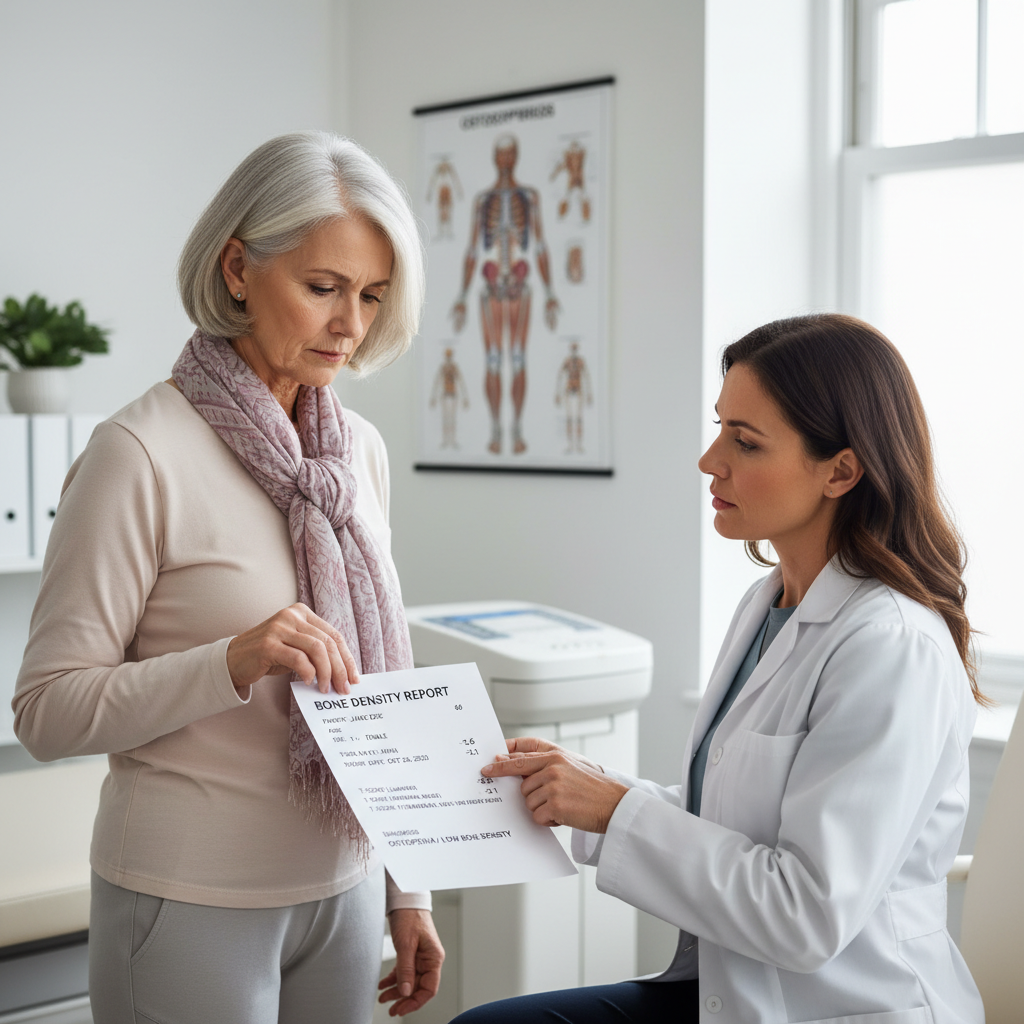
Understand what your DEXA scan actually means.
A T-score between –1.0 and –2.5 means osteopenia. Below –2.5 is osteoporosis. But those numbers alone don't tell the whole story — fracture risk depends on your age, bone size, and history. We explain all of it, in language your kitchen table can hold.
- T-score and Z-score explained side by side
- What the World Health Organization thresholds actually mean
- Which sites (hip, spine, wrist) matter most for your risk profile
- How to read your own report before your next appointment
I finally understood my T-score after reading Marrow's guide. For the first time I felt like I was in the room with my doctor, not just nodding along.
Margaret T.
Post-menopausal, T-score –2.6


Calcium and vitamin D — but not just any kind.
The supplement aisle is overwhelming, and not all calcium is absorbed equally. Marrow's nutrition guidance is built with endocrinologists — distinguishing calcium citrate from carbonate, explaining co-factors like magnesium and K2, and naming the specific brands your specialists actually recommend.
- Calcium citrate vs. carbonate — which absorbs better and when
- Vitamin D3 dosing ranges by age and deficiency level
- Magnesium and K2 as bone-health co-factors
- The foods that quietly rob your bones of calcium
I'd been taking the wrong form of calcium for two years. Marrow's supplement guide — reviewed by my own rheumatologist — changed what I buy completely.
Sandra W.
Osteoporosis, 3 years in Marrow
The exercises that build bone — and the ones that don't.
Not all movement is equal when it comes to bone density. Marrow's exercise library — curated by physical therapists who specialize in osteoporosis — separates bone-loading from cardio, shows you safe fall-prevention sequences, and updates with new research every quarter.
- 45+ video exercises organized by T-score range and mobility
- Weight-bearing vs. resistance training — why both matter
- Safe yoga and Pilates modifications for fragile spines
- Balance and fall-prevention drills — 10 minutes a day
I was terrified to exercise after my diagnosis. The video library showed me exactly which movements were safe and which to avoid. My T-score improved by 0.3 in 18 months.
Helen R.
T-score improved from –2.8 to –2.5


A specialist Q&A on Tuesdays. A peer who's been there, every day.
Every Tuesday at 7pm ET, a rheumatologist or endocrinologist joins Marrow's live Q&A. Every new member is matched with a peer at the same stage of their journey. No algorithm — a real person who has already asked the same questions you're holding right now.
- Live specialist Q&A — Tuesdays 7pm ET, recorded for members
- Peer matching within 48 hours of joining
- Private condition-specific groups (osteopenia, post-fracture, men's bone health)
- Monthly digest curated from the latest research — plain language only
My peer match called me the day after I joined. She had the same T-score, the same fear, and had come through the other side. I cried. In the best possible way.
Carol J.
Member since January 2025
You are not reading about this alone.
Every person in Marrow once sat where you're sitting right now — holding a piece of paper they didn't fully understand.
12,000+
Members worldwide
40+
Rheumatologists on staff
98%
Report feeling less alone
4.9★
Average member rating
My T-score was –2.8 and I had no idea what that meant. Within a week of joining Marrow, I had a list of questions for my doctor and a sense of calm I hadn't felt since the diagnosis.
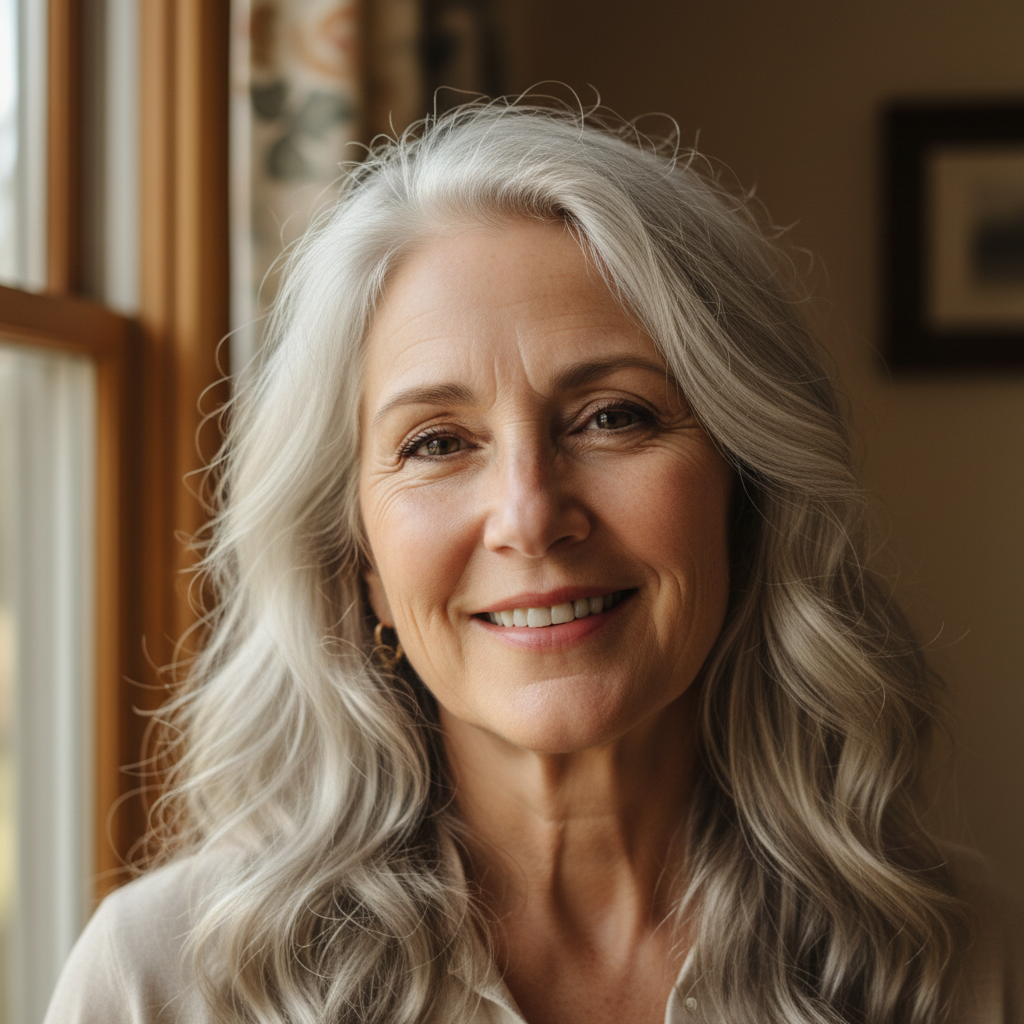
Patricia M.
Post-menopausal, diagnosed 2024
I joined for my mother after she fractured her wrist. The peer matching connected us with another family going through the exact same thing. That alone was worth everything.
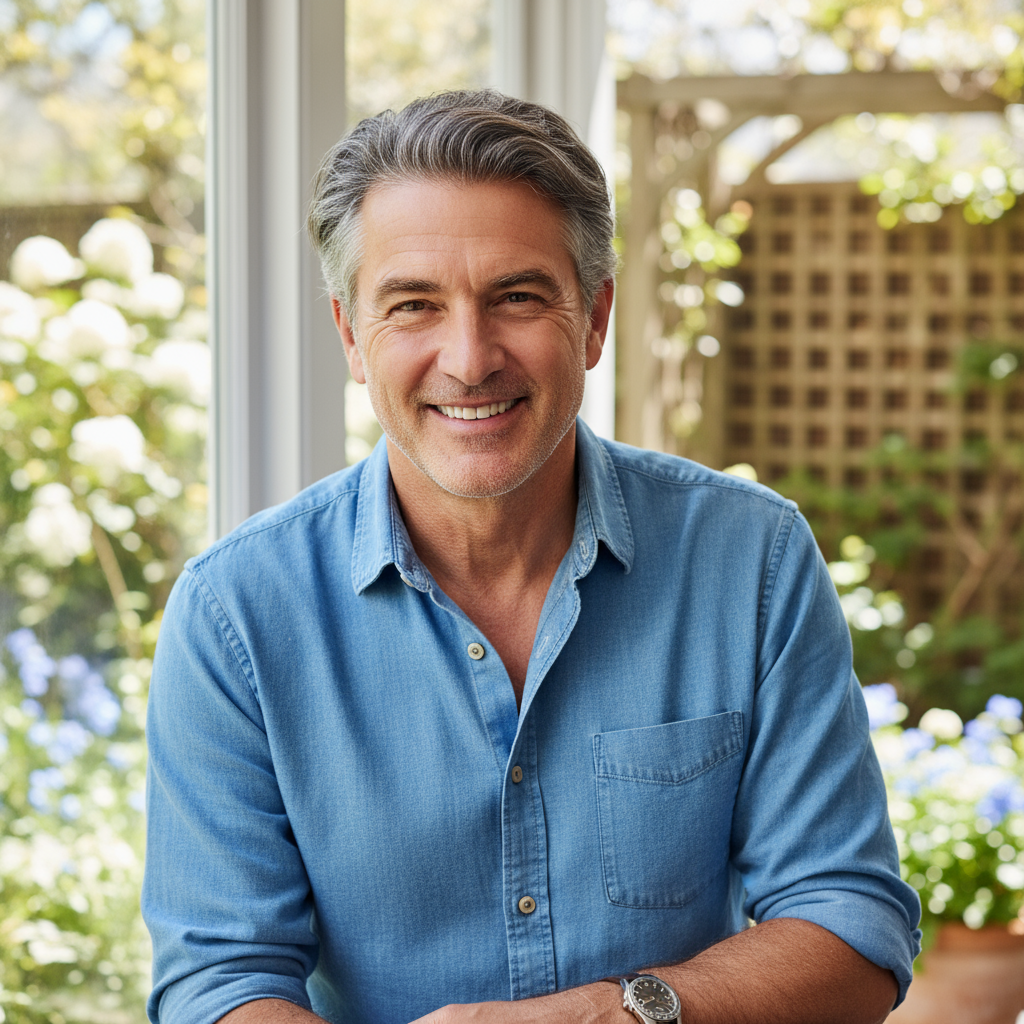
David K.
Adult child, researching for parent
As a man, I felt like osteoporosis was a condition no one talked about for people like me. Marrow changed that completely. The exercise library alone has been transformative.

Robert C.
Male, 67, osteopenia diagnosed 2023
You've toured every room.
Now walk in.
Take the 3-minute bone health assessment and receive a personalized resource packet matched to your stage. No pressure. No jargon. Just clarity.
Endorsed by 40+ rheumatologists · National Osteoporosis Foundation Partner · 12,000 members